
Imagine your video thumbnail as a billboard on a digital highway. Millions scroll past it daily. Some glance at it while others linger for a while. But, only a fraction take the exit to watch.
This is the battleground where impressions and views collide. I believe it shapes the fate of your YouTube channel.
We’ll share everything you need to know about impressions vs views on YouTube, and the winning strategies to improve both.
YouTube Impressions Explained: The Art of Being Seen
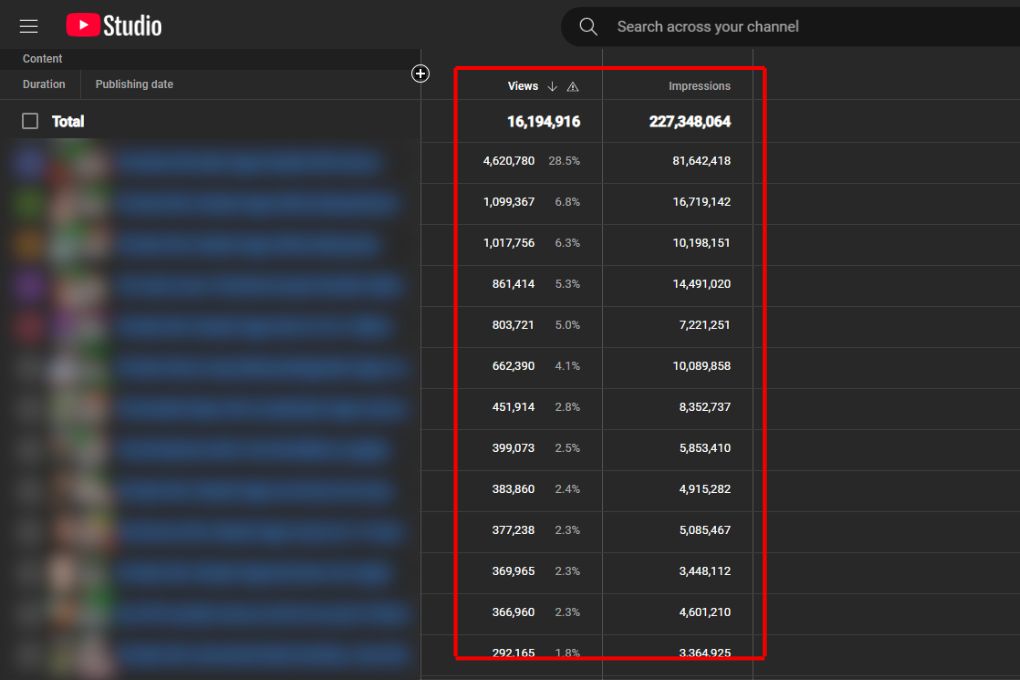
Impressions are your video’s first handshake with the world. They measure how often your thumbnail appears on screens. This might be in search results, recommendations, or the homepage.
But not all glances count. For YouTube to register an impression:
- The thumbnail must be over 50% visible for longer than 1 second.
- It excludes embeds, autoplay ads, and background plays.
Think of impressions as invitations to a party. A high count means YouTube’s algorithm trusts your content enough to showcase it widely. But an invitation doesn’t guarantee attendance.
What Counts as a View? The 30-Second Rule (and Its Exceptions)
A view is a commitment. YouTube counts it when:
- A user intentionally initiates playback, and no autoplay or background loops.
- They watch over 30 seconds, or the full video if shorter.
But there’s nuance:
- Live streams: Views count immediately but may adjust post-stream to filter bots.
- Ads: Skippable ads require 30+ seconds, but non-skippable ads don’t increment views.
- Replays: These are limited to around 4–5 views per day from the same user. This prevents inflation of the numbers.
Overall, views reflect engagement, but they’re just the tip of the iceberg. To understand why some thumbnails convert and others flop, we need to explore the bridge between impressions and views. That’s the click-through rate (CTR).
CTR: The Secret Sauce Connecting Impressions and Views
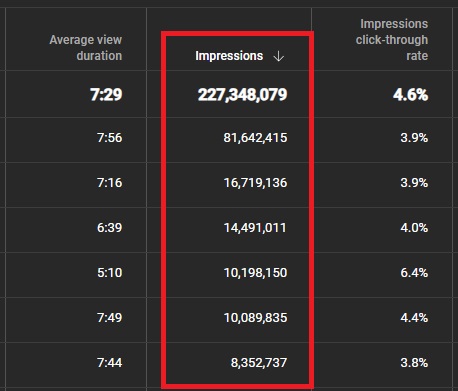
CTR measures how often impressions turn into views. It’s calculated as:
CTR = (Views from Impressions / Total Impressions) × 100
YouTube’s data shows most channels hover between 2%–10% CTR. But outliers like Mr. Beast (reportedly spending $10k per thumbnail) achieve higher rates by mastering two elements:
1. Thumbnail Psychology
- Human faces: The use of expressive faces can trigger emotional connections. YouTube channels like Red Bull and The School of Life are good examples of this in action.
- Contrast & text: I tend to leverage bold colors and minimal text for mobile first clarity.
- Curiosity gaps: Phrases that tease intrigue without clickbait work on a consistent basis.
2. Title Alchemy
- Keyword-rich: In my experience, targeting search intent is the best approach.
- Brevity: I recommend going under 60 characters to avoid truncation on mobile.
- Specificity: You need to be as specific as possible, so there’s no doubt in the viewers mind what the video will be about.
After implementing these ideas I reliably see an improvement in analytics. Check out my guide on Understanding YouTube Analytics for more insight.
Which Metric Matters More?
You might be wondering what metrics I should focus on more. After all, YouTubers are busy with an endless list of tasks. Here is a quick comparison:
- Impressions: On the plus side they measure reach and are a good indicator of algorithmic trust. Unfortunately, there’s no guarantee of engagement.
- Views: This reflects viewer intent and fuels monetization. However, it relies on impressions for discovery in the first place.
Verdict: I think that both metrics form a symbiotic relationship. That’s because high impressions without views signal weak thumbnails or titles.
High views with low impressions mean your content resonates somewhat, but isn’t being pushed. Bluntly – it’s just not good enough.
Optimization Playbook: Boosting Both Metrics
You can be greedy and enjoy excellent metrics for impressions and views. Personally, I’m not satisfied until both reach certain thresholds for each of my YouTube videos. I’ll share what I do to move them in the right direction.
Master the Thumbnail-Title Duo
Think of your thumbnail and title as a dynamic duo. A visual and verbal handshake that either pulls viewers in or lets them scroll past. The key is to treat these elements as partners in crime.
Start by running A/B tests using YouTube Studio’s built-in split-testing tool. I like how it lets me experiment with different thumbnail designs and titles. Sometimes I play around with contrasting a minimalist thumbnail with a text heavy one or a question based title.
Also, take cues from top creators in your niche. The goal isn’t to copy but to reverse-engineer what works. Does your niche respond better to urgency, curiosity, or practicality? I find the answer typically lies in looking at what other successful YouTubers are doing.
Leverage Playlists and End Screens
Playlists are YouTube’s version of binge-watching, a way to keep viewers glued to your channel. I try grouping related videos into themed playlists. It has a massive impact on creating a seamless viewing experience.
This will increase session time and signal to the algorithm that your content is sticky enough to recommend.
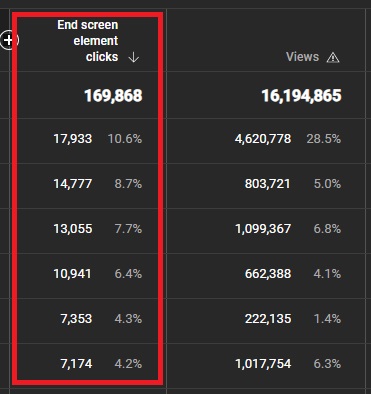
Meanwhile, here’s what works best for end screens:
- Time it right: I recommend placing end screens in the final 20 seconds. That’s long enough to engage, but short enough to avoid viewer drop-off.
- Promote top content: Highlight your most popular or relevant videos to keep viewers watching your channel.
- Use templates: YouTube Studio’s built in templates ensure elements are mobile friendly and aligned. This includes subscribe buttons and video links.
- Prioritize clarity: I work hard to avoid clutter, so I only use 1-2 elements for instant readability.
- Match your brand: End screens with colors, fonts and visuals with the channel aesthetic.
For more ideas, read my guide on How to Boost YouTube Watch Time.
Hack YouTube’s Search Algorithm
YouTube’s algorithm isn’t a mystery, it’s a matchmaker connecting viewer intent with content. To get on its radar, start with keyword research.
But keywords alone won’t cut it. Your video description needs to reinforce relevance without sounding robotic. In the first 150 characters, naturally weave in your primary keyword and hint at the video’s value.
The Dark Side: When Metrics Lie
Beware vanity metrics:
- Inflated views: Buying bots tanks channels and YouTube deletes fake views.
- Clickbait traps: High CTR with low watch time hurts long term rankings.
Focus on watch time and audience retention, it’s the metrics YouTube truly cares about.
Beyond the Numbers
I don’t view impressions and views as the end goal. In my opinion, the real win is building a community that anticipates your next upload. As you refine thumbnails and titles, ask: Does this serve my audience, or just the algorithm?
Book a consultation call with us for help improving your YouTube metrics. We’ll show you how to grow your YouTube channel in a way that’s methodical and repeatable.